Why Social Media Marketing Now Drives FMCG Growth in the UK
Is social media the problem or are we just not using it properly?
There’s been a lot of debate recently around social media, particularly with talk of banning it for under 16s. Whilst I completely understand the concerns, I had a conversation recently that brought it back to something much more practical. From a brand perspective, social isn’t the problem - it’s the most powerful tool we have. The issue is how it’s being used.
The latest 2026 UK Digital & Social report really brings this to life.
68.1 million internet users
55.5 million social media identities
over 16 hours a week spent on social
nearly half of adults using it to research products
over a third discovering brands there first.
So, it’s not just usage. It’s behaviour.
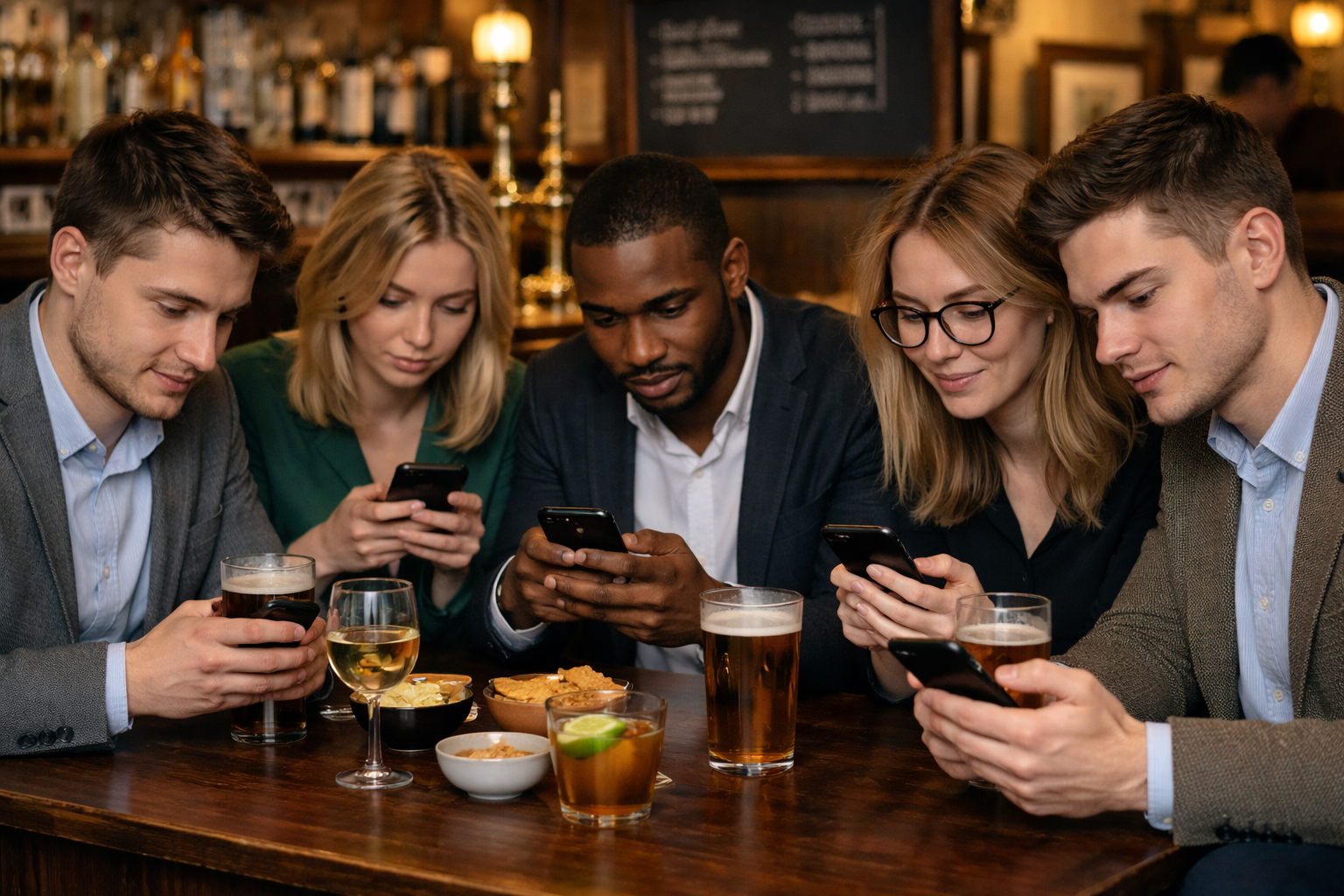
People aren’t going just onto social to be entertained and then deciding what to buy somewhere else. They’re making decisions on social media platform, often gradually, over time, through what they see, who they follow, and what gets shared.
Which means by the time they hit your website, Amazon, or the supermarket shelves… they’re more than halfway there in their decision making.
And, this is where a lot of FMCG brands are still catching up. We’ve historically built brands through reach, distribution and big campaigns. And some of those things still matter. But whether you like it or not, the moment that actually shifts behaviour now happens in the feed. Not at the shelf. Not on Google.
In the feed
When you layer in influencer marketing and paid social media advertising, it becomes even more powerful.
Influencer spend in the UK is now sitting at around £1 billion and continues to grow. That doesn’t happen unless it’s working. Creators make products feel relevant, normal and worth trying. They build trust quickly. It’s modern-day word or mouth marketing.
Paid social media advertising then scales that. Social ad spend now accounts for nearly a quarter of all digital advertising in the UK and continues to grow at pace.
The key is that it works best when it’s all joined up. When authentic creators are producing content that resonates, paid media is amplifying it properly, and the brand is showing up consistently in between, you start to see real impact. This means more than just a click, hover or like. It delivers shifts in perception and purchase intent.
Where it falls down is when brands treat all of this in silos. Or even worse think social media doesn’t matter or is a platform to talk at or advertise to their community.
There’s also a lot happening behind the scenes.
A huge amount of product discovery now happens in places you can’t easily track - WhatsApp groups, DMs and shared content.
At the same time, search behaviour is changing. More people are using AI tools and visual search. Journeys are less linear and more influenced by what people see day-to-day and much of that starts on social media.
So yes, we should absolutely be having the broader conversation about how social is used.
But from a marketing perspective, the focus should be simpler. Are we actually using it well enough? Because right now, social is where brands are discovered, where trust is built, and where decisions are shaped. The brands getting this right aren’t necessarily spending the most. They’re the ones who understand how to make social work properly and how important it is in their marketing and communications mix!
Read the full report and data here