How World Food Is Transforming the UK Market and Social Media Strategy

If you have walked through a UK supermarket lately, you have probably noticed something: the world food aisle is not tucked away in a corner anymore. Global flavours are moving front and centre, with dedicated Ramadan ranges, Lunar New Year activations, and ingredients like matcha and pistachio showing up everywhere from morning routines to viral treats like the Dubai chocolate bar.
At The Mind Collective, we work with FMCG food and drink brands across world foods, and what’s most exciting isn’t just the growth of these categories. It’s the way culture and social media are shaping how shoppers discover flavours, engage with seasonal moments, and build everyday routines around global food.
Global flavours are becoming everyday culture
A few years ago, matcha or pistachio might have felt niche, found only in specialist cafés or a small world food section. Today, they are firmly part of UK food culture, appearing in supermarket launches, high street menus, and trending recipes online. In fact, multiple industry sources have named pistachio the flavour of 2025, fuelled by viral social media buzz and demand across categories.1
Social media has played a huge role in that shift. TikTok and Instagram have turned global flavours into rituals and lifestyle moments, whether it’s a matcha morning routine, pistachio dessert hacks, or street food-inspired dinners recreated at home. On TikTok alone, content tagged #matcha has generated more than 36 billion views, underlining how widely these flavour moments are being shared and helping niche tastes like matcha enter mainstream food culture.2
Global flavours are no longer unfamiliar. They have become embedded in everyday life, tied to identity, routine, and lifestyle.
Why world food is growing: virality, culture, routine
Virality and discovery on social
From a social-first perspective, world food trends don’t always start in stores; more often, they begin online. A flavour goes viral, audiences build excitement around it, and brands move quickly to respond with new product development. The Dubai pistachio chocolate bar is a perfect example. What started as a global-inspired trend rapidly became a viral obsession, followed by a wave of new product launches as UK retailers reacted at pace. Major brands and retailers, including Lindt, Marks & Spencer, Lidl, and Aldi, released their own takes on this product. Lindt’s Dubai Style Chocolate Bar saw particular demand, with bars reportedly selling out and consumers actively searching stores to find them after the trend took off online. For brands during this craze, it was about agility and having the capacity to meet consumer interest in real time.
Culture and Lifestyle
World food is also increasingly tied to lifestyle, not just taste. Certain flavours have become cultural signals online, associated with specific moments, aesthetics, and identities. Matcha is a perfect example, it’s no longer just a drink, it’s part of the “matcha girl” morning routine, a wellness-coded, cool-girl ritual shared across TikTok and Instagram. The same is happening with pistachio, chilli oil, or street food-inspired dishes, which often trend because they feel aspirational, aesthetic, and shareable. In this way, global flavours are not only shaping what people eat, but how they want to feel, and how they present everyday food moments online.
Seasonal routines
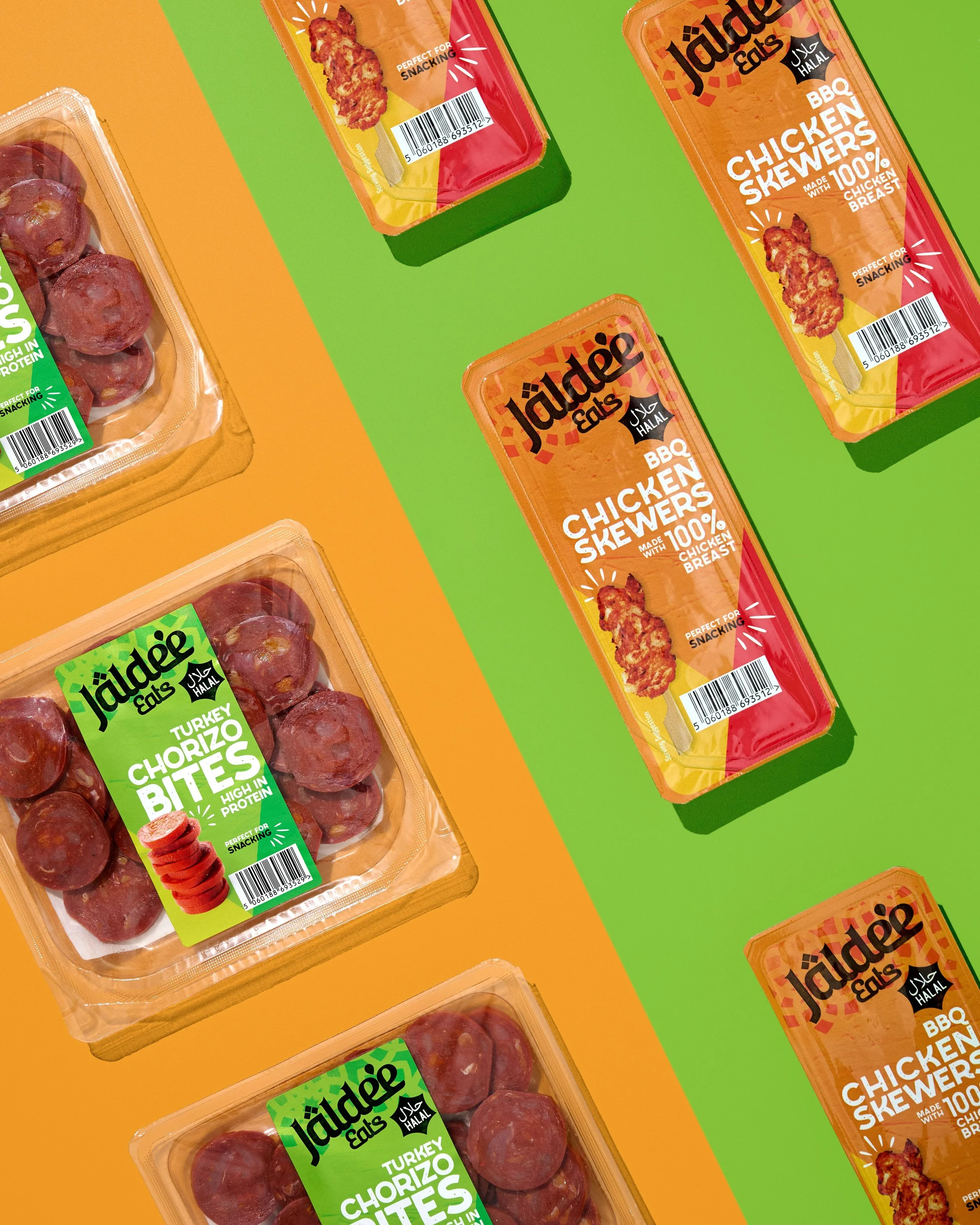
World food growth is also being driven by seasonal routines that play out online, especially during Ramadan. Food content in this period is about far more than recipes, it is about lifestyle, tradition, and togetherness. Working with Najma, we have seen how audiences engage with Ramadan recipe series, quick iftar ideas, and comforting family meals, but also with the wider rituals of the month, from table-setting and decorating, to the familiar “Ramadan evening routine” moments. In this space, products like Najma’s ready-to-cook halal meats fit naturally, supporting busy families with dishes that feel both convenient and culturally rooted. World food is not just trending in supermarkets; it is being woven into the seasonal rhythms and routines people are already sharing online.
In Conclusion
World foods are growing because global flavours are no longer a niche. They are part of modern UK life, showing up in the mainstream. Social media is where that shift is unfolding in real time, turning flavours into rituals, trends, and everyday moments.
At The Mind Collective, it’s exciting to support world food brands in showing up beyond the supermarket shelf, becoming part of the routines, cultures, and conversations that make food meaningful.
If you’re looking to hear more on this, please don’t hesitate to get in touch with the team at hello@themindcollective.co.uk